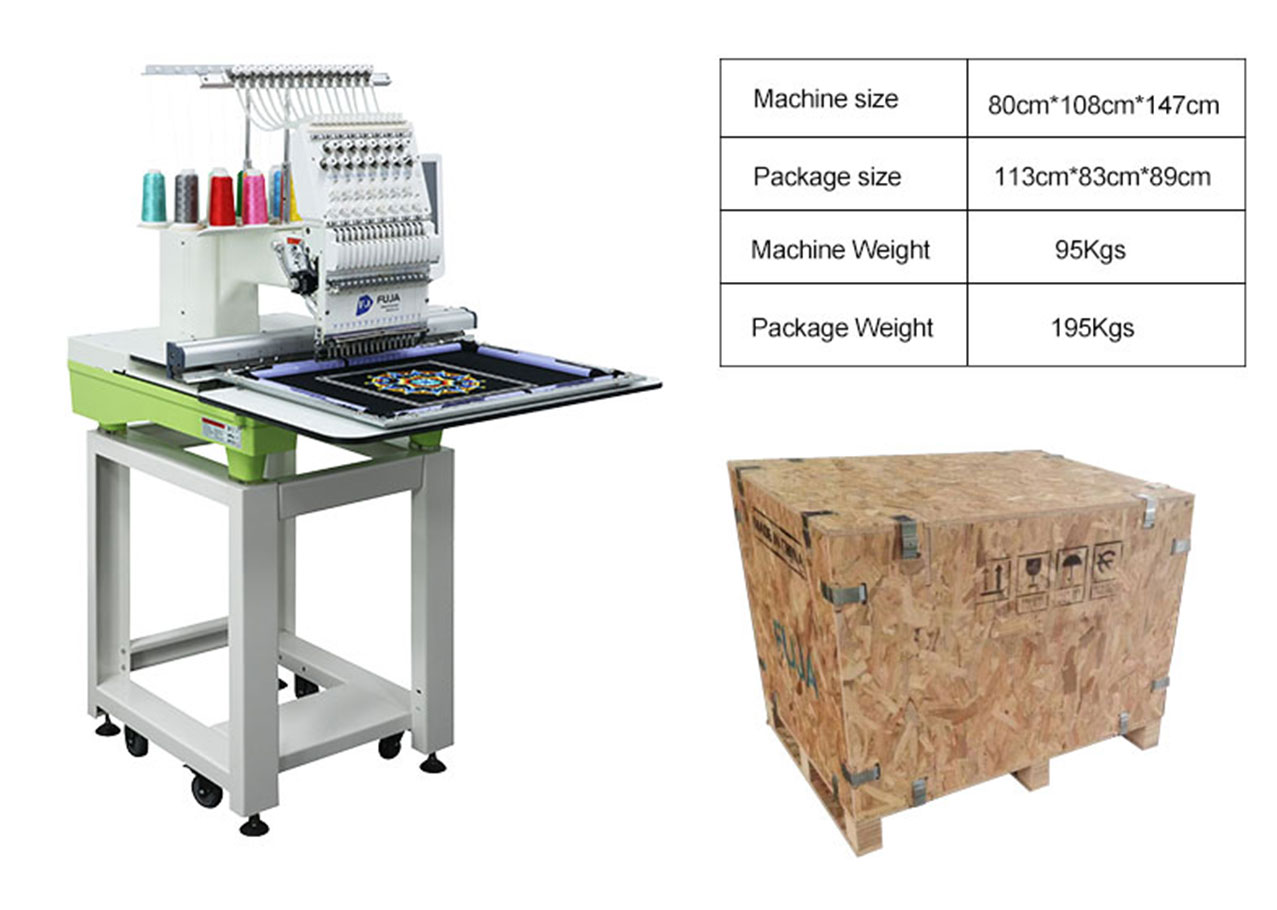
Once the basic setup works on your fabric, you can test more colors, raised effects, specialty threads and added materials. Each method needs suitable design files, equipment and sample checks. Start with one change at a time.
1. Using Several Thread Colors
Plan thread colors and stitch order in the design file. Check how colors meet and overlap on the actual fabric. Shading and gradients depend on the file, thread and sample results. Confirm the controller’s color change steps before production.

2. Raised Embroidery Effects
Raised effects may use padding or added fabric, depending on the design method. Check whether the machine, needle, frame and materials support the planned work. Use a file prepared for that method and inspect the sample before repeating it. Do not rely on tension changes alone to create the effect.
3. Specialty Threads
Metallic threads, threads with changing colors and threads that glow in darkness can create different visual effects. Check the thread supplier’s instructions for needle, tension and care requirements. Test the complete setup on the intended fabric. Keep samples so you can compare appearance and running results.
4. Combining Embroidery with Other Materials
Embroidery can be combined with added fabric, beads or other decoration. Plan when each material is applied and keep loose items away from moving parts. Do not assume the machine can attach beads or sequins without the required equipment. Check the finished item for handling and care needs.
5. Preparing More Detailed Design Files
Digitizing turns artwork into stitch instructions. Detailed lettering, lace and picture effects need suitable stitch choices and sample testing. Check the software tools, licensed version and export format for your workflow. Test the exported file at the intended size on the actual material.

Keep notes on the file, thread, materials and settings used for each sample. Compare the finished result before moving to production. If a technique needs equipment or knowledge you do not have, ask for guidance before trying it on customer work.